Kenya is entering an increasingly important phase of its political cycle as the country moves closer to the 2027 General Election. President William Ruto’s administration is approaching the end of its first term, while political parties and opposition figures are already positioning themselves ahead of the next national contest.
The Independent Electoral and Boundaries Commission (IEBC) has set August 10, 2027 as the date for the General Election, meaning political parties, candidates and voters have a defined electoral deadline around which preparations are taking place.
As the election approaches, political alliances, party realignments and coalition-building are expected to remain prominent features of Kenya’s political conversation. However, alongside the political manoeuvring, issues affecting households and the wider economy are likely to remain central to how Kenyans assess the country’s political direction.
Ruto Administration Defends Its Record
President William Ruto’s administration has continued to defend its record on the economy, development projects and government programmes targeting different segments of the population.
The government has highlighted measures aimed at economic recovery, job creation, development and support for young people and lower-income households. The administration has also maintained that its policies are intended to strengthen the economy and address challenges inherited from previous administrations.
At the same time, the government’s record remains subject to public debate, particularly over the cost of living, taxation, employment opportunities and the impact of government policies on household finances.
The difference between official claims and citizens’ experiences is likely to remain an important part of the political discussion as the country moves towards 2027.
Opposition Parties Prepare for the 2027 Election
Opposition parties and political leaders are also intensifying their activities as they consider how to approach the next election.
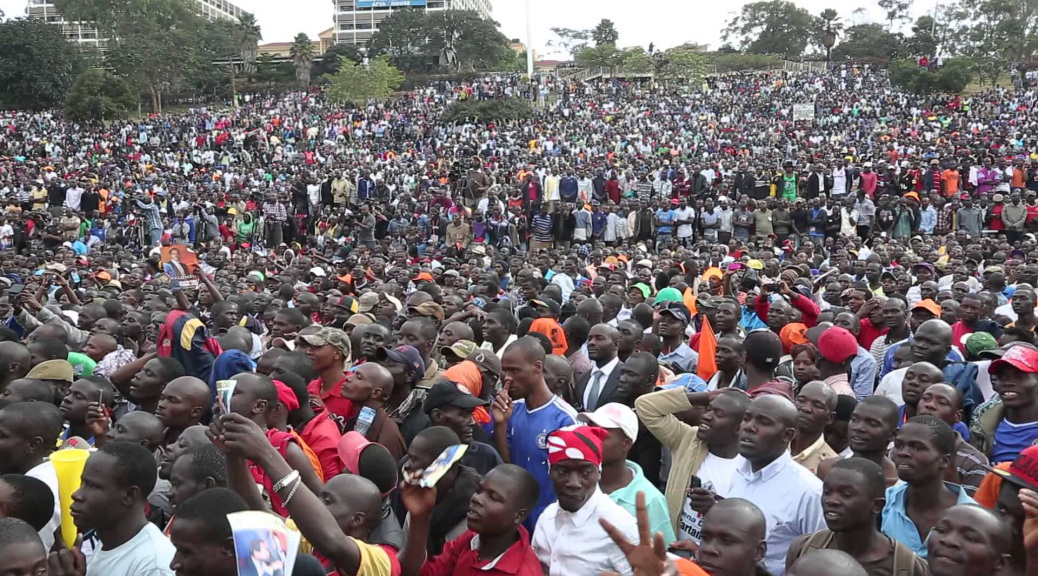
Issues such as the cost of living, governance, corruption, accountability and government spending have featured prominently in opposition messaging. Political leaders have also continued holding rallies, consultations and meetings aimed at strengthening their networks and building broader political cooperation.
Kenya’s political history demonstrates the importance of coalitions in national elections. Parties and politicians frequently negotiate alliances before elections, sometimes bringing together groups with different regional bases and political traditions.
The shape of the opposition going into 2027, therefore, remains an evolving political question.
Rather than assuming that today’s political alignments will remain unchanged, voters will likely see further negotiations, party movements and coalition discussions as the election draws closer.
Political Alliances Will Remain a Major Talking Point
Coalition politics has become a defining feature of Kenya’s electoral system.
Political parties can seek partnerships to broaden their national reach, consolidate support and coordinate candidates across different regions. For politicians, coalition-building can also determine how resources, party positions and electoral constituencies are negotiated.
The IEBC has itself identified shifting political alliances, polarised political mobilisation and misinformation and disinformation among factors that can affect the electoral environment.
As 2027 approaches, Kenyans are therefore likely to hear more about possible alliances and political realignments.
However, the existence of an alliance does not automatically answer the more important question of what policies the participating parties intend to pursue. Voters will ultimately have to examine the manifestos, records and policy proposals presented by political parties and candidates.
The Economy Could Shape the 2027 Political Debate
Beyond political personalities, economic conditions are likely to remain an important subject of public discussion.
For many households, political debates are closely connected to everyday economic realities. Employment opportunities, food prices, taxation, healthcare costs, education expenses and access to affordable services can have a direct impact on how citizens view government policies.
The government has emphasised economic stabilisation and development as part of its record. Critics, however, have continued to raise concerns about the cost of living, taxation and the financial pressure experienced by households.
These competing perspectives will form part of the broader debate over Kenya’s economic direction.
The question for voters is not simply whether economic statistics have changed, but how government policies have affected their businesses, employment opportunities, household incomes and access to essential services.
Employment and the Cost of Living Remain Key Concerns
Employment is particularly important in a country with a large and growing youthful population.
Young Kenyans continue to seek opportunities in both the formal and informal economies, while many entrepreneurs face challenges related to access to capital, taxation, markets and operating costs.
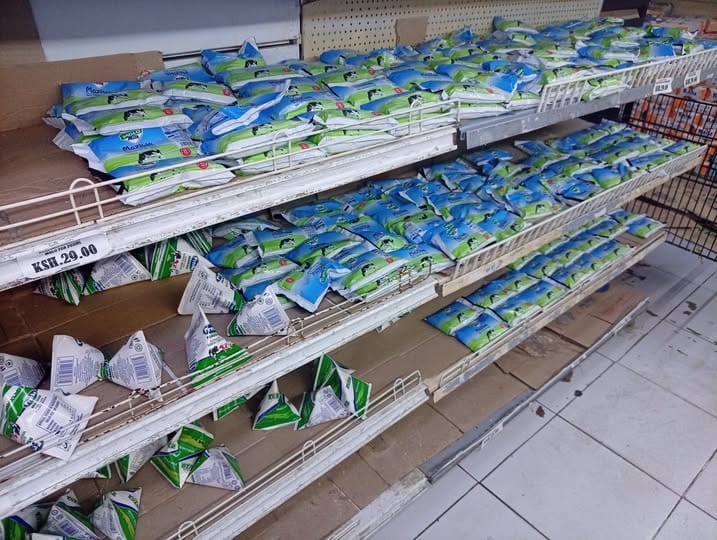
The cost of basic goods is another issue that can quickly become a political concern because changes in food, transport, housing and energy costs are felt directly by households.
As political parties develop their platforms for 2027, proposals relating to employment creation, business development, taxation and household costs are likely to receive significant attention.
Public Debt and Government Spending Under Scrutiny
Kenya’s public finances are another issue likely to feature prominently in the election conversation.
Questions about public debt, government expenditure, taxation and fiscal management have become increasingly important as policymakers seek to balance development spending with debt-servicing obligations and revenue requirements.
For voters, the debate goes beyond the size of government debt. It also concerns how borrowed and collected resources are used, whether projects provide value to citizens and whether public expenditure contributes to sustainable economic growth.
Political parties are therefore likely to face questions about how they would manage public finances while maintaining essential services and supporting economic growth.
Healthcare and Education Remain Political Issues
Healthcare and education are two areas where government policy has a direct impact on millions of households.
The cost and accessibility of healthcare, the performance of public health programmes and the availability of medical services are likely to remain part of the national conversation.
Education is similarly important, particularly as families deal with school fees, infrastructure, access to learning resources and opportunities for young people after completing school.
These issues can sometimes receive less attention than high-profile political rallies, but they directly affect voters’ everyday experiences.
Political Violence and the Importance of Peaceful Elections
Another major concern ahead of 2027 is the need to prevent political violence.
Kenya’s electoral history has demonstrated the serious consequences that political tensions can have when disagreements escalate into violence. Maintaining peace therefore requires responsibility from political leaders, security agencies, electoral institutions, media organisations and citizens.
The IEBC has continued to emphasise the importance of a peaceful and credible 2027 General Election. The Commission has also identified election security preparedness, civic education, stakeholder engagement and countering misinformation as important elements of election preparation.
Political competition does not have to result in violence. Citizens have a constitutional right to participate in political activity, express their views and support candidates and parties of their choice, while political actors have a responsibility to respect the rights of others and the electoral process.
IEBC Faces Preparations for the 2027 Election
The electoral commission is already preparing for the 2027 election, but it has also raised concerns about resources needed to conduct the exercise.
In its 2027 General Election budget documents, the IEBC said it required about KSh63.95 billion for the election but had been allocated approximately KSh41.01 billion, leaving a funding shortfall of about KSh22.94 billion. The Commission said the gap could affect activities including voter education, legal and regulatory reforms, stakeholder engagement, election security, staff training and procurement.
The issue is significant because election preparation involves much more than what happens on polling day.
Voter registration, civic education, technology, logistics, security coordination, training and dispute-resolution mechanisms all form part of the electoral process.
Voters Will Have More Than Political Alliances to Consider
As the political environment becomes increasingly active, the focus on personalities and alliances may dominate headlines.
However, voters will also have the opportunity to examine the records and policy proposals of political parties and candidates.
Questions about economic management, taxation, employment, healthcare, education, public debt, corruption, governance and public accountability provide different ways of assessing political platforms.
The quality of the political debate will depend partly on whether these issues receive sustained attention rather than being overshadowed entirely by political negotiations and campaign events.
What Will Shape Kenya’s Political Debate Before 2027?
Kenya’s political landscape between now and the 2027 General Election is likely to continue evolving.
Political alliances may change, parties may negotiate new arrangements and individual politicians may reposition themselves. At the same time, government policies and the economic conditions experienced by citizens will continue to influence public debate.
The IEBC’s preparations also demonstrate that the election is no longer a distant event. The Commission’s official countdown currently points to August 10, 2027, while preparations around voter education, registration, logistics, security and stakeholder engagement are already underway.
For Kenyan voters, the coming months will provide an opportunity to scrutinise political records, compare policy proposals and follow developments surrounding the various parties and coalitions.
Ultimately, the 2027 election will be decided by voters through the constitutional electoral process. The political conversation leading to that vote will reveal whether the dominant focus remains on personalities and alliances or whether issues such as the economy, employment, healthcare, education, taxation and governance receive greater attention.